
Home » Philosophy of Yoga

Philosophy of Yoga

When most of us hear the word “yoga,” we naturally picture physical postures, fitness, and flexibility. Physical health is a beautiful byproduct. The true gift of this practice reaches far deeper. Yoga is a proven science of consciousness. Modern researchers now recognize this reality, actively integrating these traditional methods into clinical healing. Here at totheself, my intention is to serve by sharing this profound wisdom through the philosophy of yoga. I offer these teachings to help you look past the physical form and experience your infinite nature.


Recent Posts on Yoga Philosophy

The Foundation of Sanskrit Yoga Philosophy and Practice

Using Sanskrit yoga philosophy and practice allows us to stay close to the original meaning of these teachings. Sanskrit words like Chitta (mind-stuff) and Nirodah (stillness) have no perfect English match. By studying the original terms, we strip away the illusions of the modern world and connect with the exact same consciousness that animated the ancient sages.

Why Yoga Philosophy and practice matter today?

The philosophy of yoga is more relevant now than ever before. We live in a world of constant distraction. Understanding what is the philosophy of yoga gives us the tools to handle modern anxiety through ancient wisdom.

  • Mental Awareness: Philosophy teaches us to observe our thoughts without being controlled by them.
  • Spiritual Grounding: It provides a sense of purpose beyond material success.
  • Mysticism in Daily Life: It helps us see the sacred in the ordinary, transforming how we live and travel.

Core Pillars of the Philosophy of Yoga

To truly understand the philosophy of yoga, we must look at its different branches. Each offers a unique way to view reality.

1. The Path of Knowledge (Jnana Yoga)

This is for the thinkers. It involves deep study and questioning the nature of the self. This is where we ask, “Who am I?” and learn to see the observer behind the person.

2. The Path of Devotion (Bhakti Yoga)

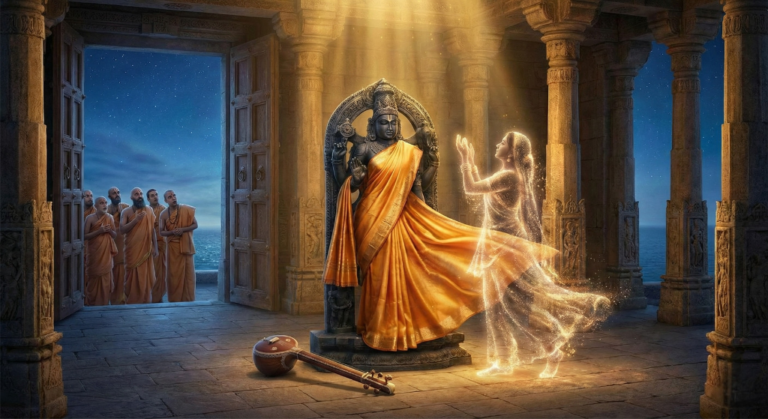
Inspired by figures like Meera Bai, this path focuses on the heart. It is about love and surrender to the divine consciousness.

3. The Path of Action (Karma Yoga)

This teaches us how to work in the world without being attached to the results. It is the foundation of a mindful lifestyle.

How to Apply Yoga Philosophy to Your Life

You do not need to live in a cave to practice. You can apply yoga philosophy and practice while working, traveling, or spending time with family.

  1. Practice Stillness: Even five minutes of observing the “formless observer” can change your day.
  2. Study the Texts: Reading about the philosophy of yoga daily keeps the mind focused on truth.
  3. Join a Community: Engaging with others on the same path at totheself makes the journey easier.

For Organizers: Hire a Spiritual Guest Speaker

If you are planning an event, finding the right spiritual guest speaker or yoga philosophy workshop leader is vital. Most retreats offer physical classes, but participants often leave wanting a deeper connection to the “why” behind their practice.

As a retreat facilitator and educator, I help bridge the gap between physical movement and deep mental clarity. I work with B2B partners to bring authentic Indian spirituality to their programs, making sure attendees leave with more than just a flexible body—they leave with a transformed mind.

Collaborative Retreat Partnerships

I offer specialized sessions for those looking to book a yoga philosophy teacher for:

  • International wellness retreats (from India to Europe).
  • Corporate mindfulness programs.
  • Intensive teacher training modules.
tarun nagpal

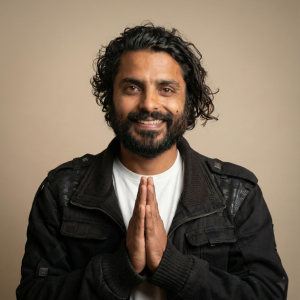
Namaste, I'm Tarun

and through my work at totheself, I explore these deep truths to help you find the formless observer within. Whether you are someone looking for answers or a wellness retreat facilitator looking for authentic insights, this category page serves as your foundation for mental awareness and spiritual growth.


What is Yoga Philosophy?

Many people ask, “What is yoga philosophy?” at the start of their journey. It is not just a collection of old ideas. It is a practical map for the human mind. While modern classes focus on the body, the true Indian philosophy of yoga focuses on consciousness. It teaches us how to move past the fleeting thoughts that cause stress and find a state of lasting peace.

Who is the founder of Yoga Philosophy?

 If we look at historical records to find who is the founder of yoga philosophy, we often point to Sage Patanjali. He did not “invent” yoga, but he was the first to organize it into the Yoga Sutras. This text is the most important pillar of yoga philosophy and practice, offering a step-by-step guide to mastering the mind.

Recent Posts (All)

Advertisement
modern oriental living room.jpg

FAQ's about Yoga Philosophy

Is yoga philosophy a religion?

No. While it has roots in India and shares history with Hinduism, it is a universal science of the mind that anyone can practice, regardless of their personal beliefs.

Start with the Yoga Sutras of Patanjali. Focus on the first few chapters to understand the goal of stillness. You can find many guides and videos here on the totheself blog to help you.

Yes. If you are looking to hire a spiritual speaker for a private group or a small gathering, you can reach out via the contact page to discuss your specific needs.

portrait of beautiful girl with eyeglasses using laptop at home office e1668602935545.jpg

Subscribe to My Newsletter

Subscribe to my weekly newsletter. I don’t send any spam email ever!